Get Shrub Trimming
Local contractors offer shrub trimming services to improve appearance, promote healthy growth, remove overgrown or damaged branches, and enhance overall landscape safety.
Property owners considering shrub trimming services often look for practical ways to enhance their outdoor spaces. Properly maintained shrubs can improve curb appeal, support plant health, and create a more inviting environment around a home or business. When planning landscaping projects or routine upkeep, exploring local contractors who specialize in shrub trimming can provide valuable options to meet specific needs and preferences.
By comparing available local service providers, property owners can find experienced professionals equipped to handle various shrub trimming tasks. Whether aiming for a tidy appearance, encouraging healthy growth, or shaping plants for aesthetic appeal, connecting with trusted local contractors ensures the work is done with care and attention to detail. Keep reading to discover how to find the right shrub trimming services for your property.
- Overgrown Shrubs - when existing shrubbery has become unruly and needs shaping or thinning.
- Seasonal Trimming - to prepare bushes for winter or encourage healthy growth in spring.
- Landscape Enhancement - as part of a larger garden redesign or outdoor improvement project.
- Property Maintenance - to maintain curb appeal and comply with neighborhood standards.
- Storm Damage Repair - after severe weather to remove damaged or broken branches and restore shrub health.

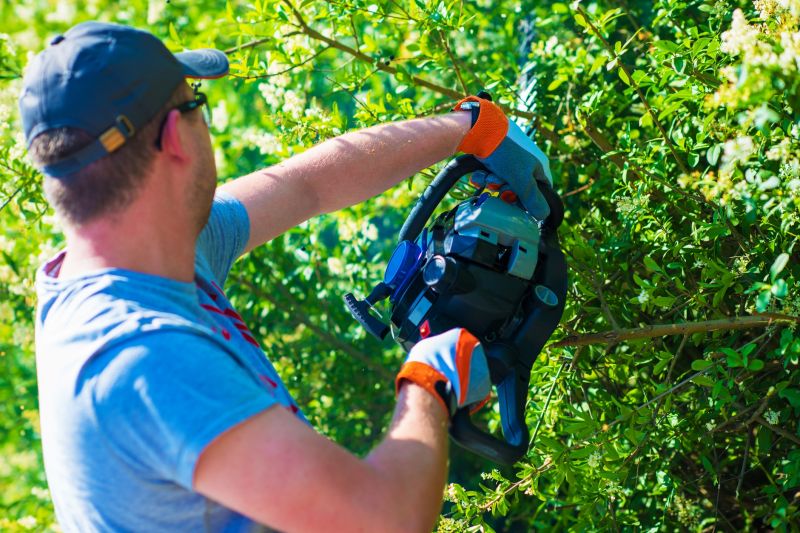
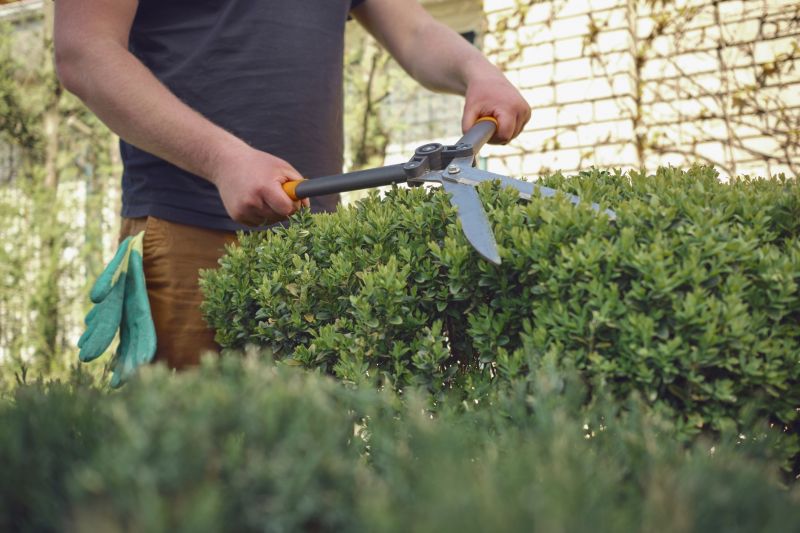
Shrub trimming services involve carefully shaping and reducing the size of bushes and shrubs to maintain their health and appearance. This process typically includes removing dead or overgrown branches, thinning dense foliage, and shaping plants to enhance their visual appeal. Proper trimming encourages healthy growth, prevents plants from becoming overly dense, and helps maintain a neat and attractive landscape. Whether for aesthetic reasons or to promote the vitality of the plants, professional shrub trimming ensures that bushes stay well-maintained throughout the year.
Regular shrub trimming can address several common problems that arise in landscape care. Overgrown shrubs can block walkways, windows, or views, creating safety hazards and reducing curb appeal. Dense or unruly growth can also harbor pests or promote disease, which can weaken the plants over time. Additionally, untrimmed shrubs may interfere with other landscape elements or structures, making outdoor spaces less functional. Local service providers can help manage these issues by providing targeted trimming that keeps shrubs healthy, attractive, and unobstructive.
Shrub trimming services are suitable for a variety of property types, including residential yards, commercial landscapes, and shared community spaces. Homeowners often request trimming to keep their gardens looking tidy and to prevent overgrowth that can encroach on outdoor living areas. Property managers and business owners may utilize shrub trimming to maintain a professional appearance and ensure safety around entrances and walkways. These services are especially useful for properties with mature or extensive shrubbery that requires ongoing upkeep to preserve the landscape’s overall look and health.
Homeowners typically seek shrub trimming services when they notice overgrown or uneven bushes, or when preparing for seasonal changes and landscaping updates. It’s also a common task for those wanting to improve privacy screens or reduce the risk of branches obstructing views or pathways. Regular trimming can help prevent issues before they become more serious, saving time and effort in the long run. Local contractors are available to provide expert trimming tailored to the specific needs of each property, helping maintain a beautiful, healthy landscape that enhances curb appeal and outdoor enjoyment.
The overview below groups typical Shrub Trimming projects into broad ranges so you can see how smaller, mid-sized, and larger jobs often compare in your area.
In many markets, a large share of routine jobs stays in the lower and middle ranges, while only a smaller percentage of projects moves into the highest bands when the work is more complex or site conditions are harder than average.
Small Shrub Trimming - typical costs range from $50-$150 for routine pruning of smaller shrubs. Many basic jobs fall within this range, especially for well-maintained, low-growth plants. Larger or more complex small jobs may cost slightly more.
Medium Shrub Trimming - most local contractors charge between $150-$400 for trimming medium-sized shrubs or multiple plants. This is the most common range for regular maintenance and shaping projects. Larger, more detailed work can push costs higher.
Large or Overgrown Shrubs - prices for trimming large or overgrown shrubs generally fall between $400-$800. Many projects in this range involve significant pruning or removal of older growth. Fewer jobs reach into the higher end of this spectrum.
Full Shrub Replacement - complete removal and replacement of shrubs can cost from $600-$2,500 or more, depending on the number and size of plants. Larger, more complex landscaping projects can exceed this range, with many local pros providing custom quotes for such work.
Actual totals will depend on details like access to the work area, the scope of the project, and the materials selected, so use these as general starting points rather than exact figures.
Hedge Trimming - local contractors skilled in shaping and maintaining hedges require similar pruning techniques as shrub trimming to ensure healthy growth and aesthetic appeal.
Tree Pruning - professionals who prune trees use tools and planning approaches comparable to shrub trimming to promote safety and proper growth structure.
Garden Bed Maintenance - maintaining flower beds often involves trimming and shaping plants, utilizing similar tools and planning as shrub care services.
Landscape Clearing - clearing overgrown areas involves pruning and removal skills akin to shrub trimming to restore landscape clarity and health.
Plant Shaping and Training - shaping young or mature plants requires precise pruning techniques similar to those used in shrub trimming projects.
Ground Cover Trimming - managing ground cover plants involves trimming and maintenance tasks that share tools and planning with shrub trimming services.

When comparing local contractors for shrub trimming services, it’s important to consider their experience with similar projects. Homeowners should look for service providers who have a track record of handling shrub trimming tasks comparable in scope and complexity to the work needed. An experienced professional is more likely to understand the nuances of different plant types, growth patterns, and optimal trimming techniques, which can lead to healthier, more attractive landscaping results. Asking about the types of projects they have completed and how long they have been working in the area can help gauge their familiarity with local plant varieties and yard conditions.
Clear, written expectations are essential for ensuring that both the homeowner and the service provider are aligned on the scope of work. When evaluating local contractors, it’s helpful to request detailed descriptions of the services they offer, including what is included in the trimming process and any specific methods they follow. Having a clear understanding of what to expect helps prevent misunderstandings and ensures that the project meets the homeowner’s preferences. Good communication from the start can also make it easier to address questions or concerns that may arise during the project, leading to a smoother overall experience.
Reputable references and strong communication are key factors in choosing a reliable shrub trimming service provider. Homeowners should seek out local contractors who can provide references from past clients with similar projects, offering insights into their professionalism, reliability, and quality of work. Additionally, effective communication-whether through prompt responses, clarity in explanations, or willingness to discuss project details-can help build trust and confidence in the service provider. It’s important to remember that this site introduces homeowners to local options, not that it performs the work itself, so taking the time to research and compare these factors can lead to a more satisfactory outcome.
Property owners use Shrub Trimming services for practical projects around their homes and businesses. This guide focuses on everyday jobs and straightforward project options.
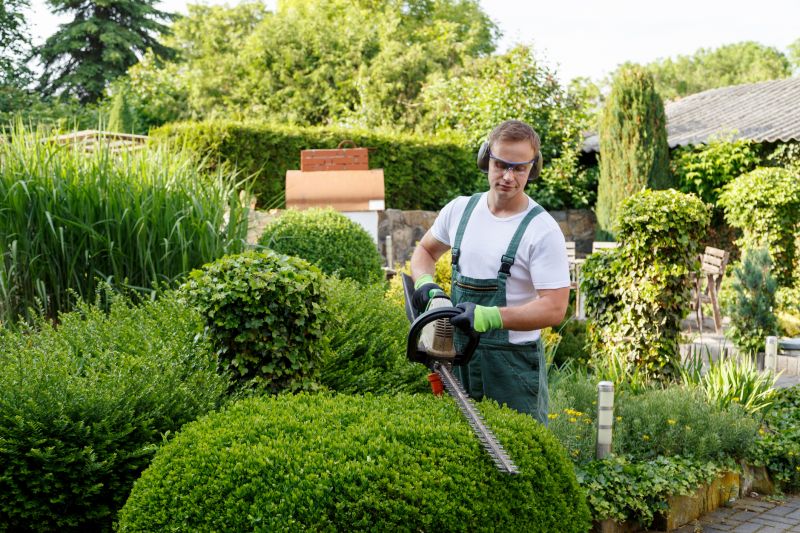
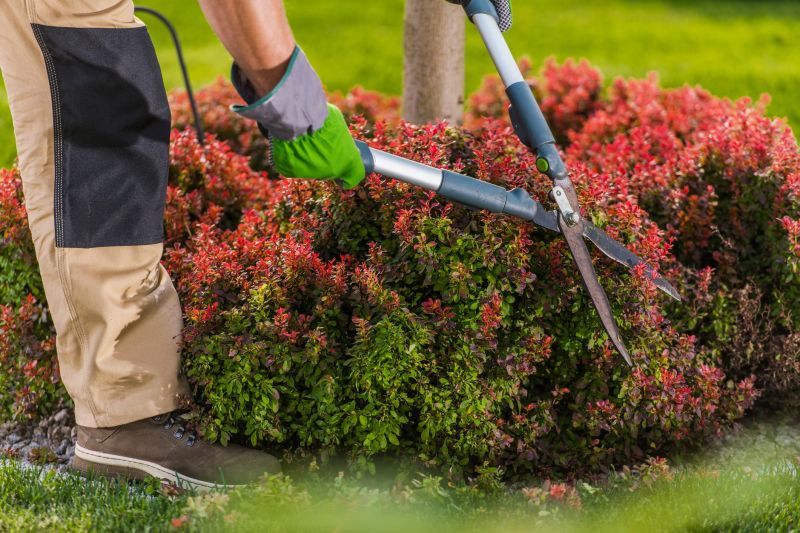
Shrub trimming services are often needed for routine yard maintenance, helping property owners keep their landscaping looking tidy and well-kept. Whether it's shaping overgrown bushes or removing dead branches, local contractors can handle a variety of trimming tasks to improve curb appeal and promote healthy plant growth. Homeowners and property managers might seek these services after noticing shrubs becoming unruly or to prepare outdoor spaces for seasonal changes.
In addition to aesthetic reasons, shrub trimming can be important for safety and property management. Overgrown bushes near walkways or windows can pose hazards or obstruct views, prompting property owners to look for professional assistance. Local service providers are equipped to manage these projects efficiently, ensuring that outdoor spaces remain safe, attractive, and well-maintained.
What are the benefits of shrub trimming? Regular shrub trimming helps maintain the health, appearance, and shape of bushes, promoting growth and preventing overgrowth.
How often should shrubs be trimmed? The frequency of trimming depends on the shrub type and growth rate, but many require trimming at least once or twice a year for optimal health.
What tools do local contractors use for shrub trimming? Professional service providers typically use pruning shears, hedge trimmers, and loppers to ensure precise and clean cuts.
Can shrub trimming improve the overall landscape? Yes, properly trimmed shrubs contribute to a neat, balanced landscape and can enhance the curb appeal of a property.
Are there specific shrub types that need special trimming techniques? Certain shrubs, such as flowering or delicate varieties, may require specific trimming methods to preserve their blooms and health.
Enhance curb appeal - professional shrub trimming can improve the overall appearance of a property, making it more inviting for visitors and neighbors.
Maintain safety - trimming overgrown or unruly shrubs helps prevent potential hazards around walkways and entryways.
Encourage healthy growth - regular pruning supports the development of strong, lush shrubs that thrive throughout the seasons.
Prepare for seasonal changes - shaping and trimming shrubs can help prepare a landscape for upcoming weather conditions and seasonal displays.
If you are thinking about Shrub Trimming for a property, this guide is meant to help you understand the work, the typical project types, and how different options might fit your plans.
When you are ready, you can use the quote form on this page to share a few details about your project. From there, local pros can review the basics and respond with options that match what you have in mind.